
When a subscription on OnlyFans fails to renew, the first clue is often a strange pending amount on a bank statement. A small hold can sit beside a real charge, and the two look almost identical at a glance. This guide explains how temporary card holds work, why charges fail, and what a subscriber can do about each situation.

A card hold is an authorization, not a payment. The bank reserves part of the balance to confirm the card is valid, then releases the amount if no charge follows. A real charge moves money to the creator and stays on the statement until it is refunded or disputed.
The difference matters because the two entries require different responses. Reacting to a hold as if it were fraud can freeze a legitimate subscription, while ignoring a failed charge can end access. Both cases are easier to handle once the statement labels are understood.
Before reading further, check the account itself. Account settings show the current subscription price, the renewal date, and whether auto-renew is still active. Those three details answer most billing questions faster than a bank call.
Hold versus charge
A temporary authorization reserves funds but does not complete a transfer. It usually appears as pending and disappears on its own within a few business days. A completed charge is a settled transaction that pays the creator after the platform fee is applied.
Because both entries can carry a similar merchant name, subscribers often assume they were billed twice. In most cases the hold simply overlaps with the real charge for a short period. The overlap is normal and resolves without any action from the cardholder.
If a renewal fails, the sequence changes. The platform may place a small verification hold while retrying the payment method. That hold is not a fee and is not kept by anyone once the retry window closes.
- Open the subscription list and note the renewal date and price.
- Compare that figure with the entries on the bank statement.
- Mark each entry as pending or settled.
- Wait one full billing cycle before treating a pending item as a charge.
- Contact support only if a settled charge has no matching subscription.
Keeping a simple record of these steps prevents duplicate disputes. One note per month is enough. The record also helps if a bank asks for proof of the original purchase.
Practical tip: never dispute a pending authorization. Banks treat a dispute on an unsettled amount differently from one on a settled charge, and filing too early can delay the release of the hold.
Why holds appear
Payment processors verify a card before approving a recurring subscription. The verification takes the form of a small pending amount that is later reversed. This protects both the subscriber and the creator from repeated failed attempts.
The hold is also a fraud check. A card that cannot cover a small reservation is unlikely to cover the subscription itself. When the check passes, the processor proceeds with the actual charge for the plan.
Prices on the platform start at $4.99 and run to $49.99, with most paid pages sitting between $4.99 and $15. Typical averages land in the $5 to $10 range. There is no base price below $4.99, though a promotional first month can dip lower for new subscribers.
- Month one: the subscription price plus any promotional discount applied at signup.
- Month two: the standard renewal price once the promotion ends.
- Renewal months: the listed price unless the creator changes it.
- Optional extras: pay-per-view messages and tips, billed separately from the subscription.
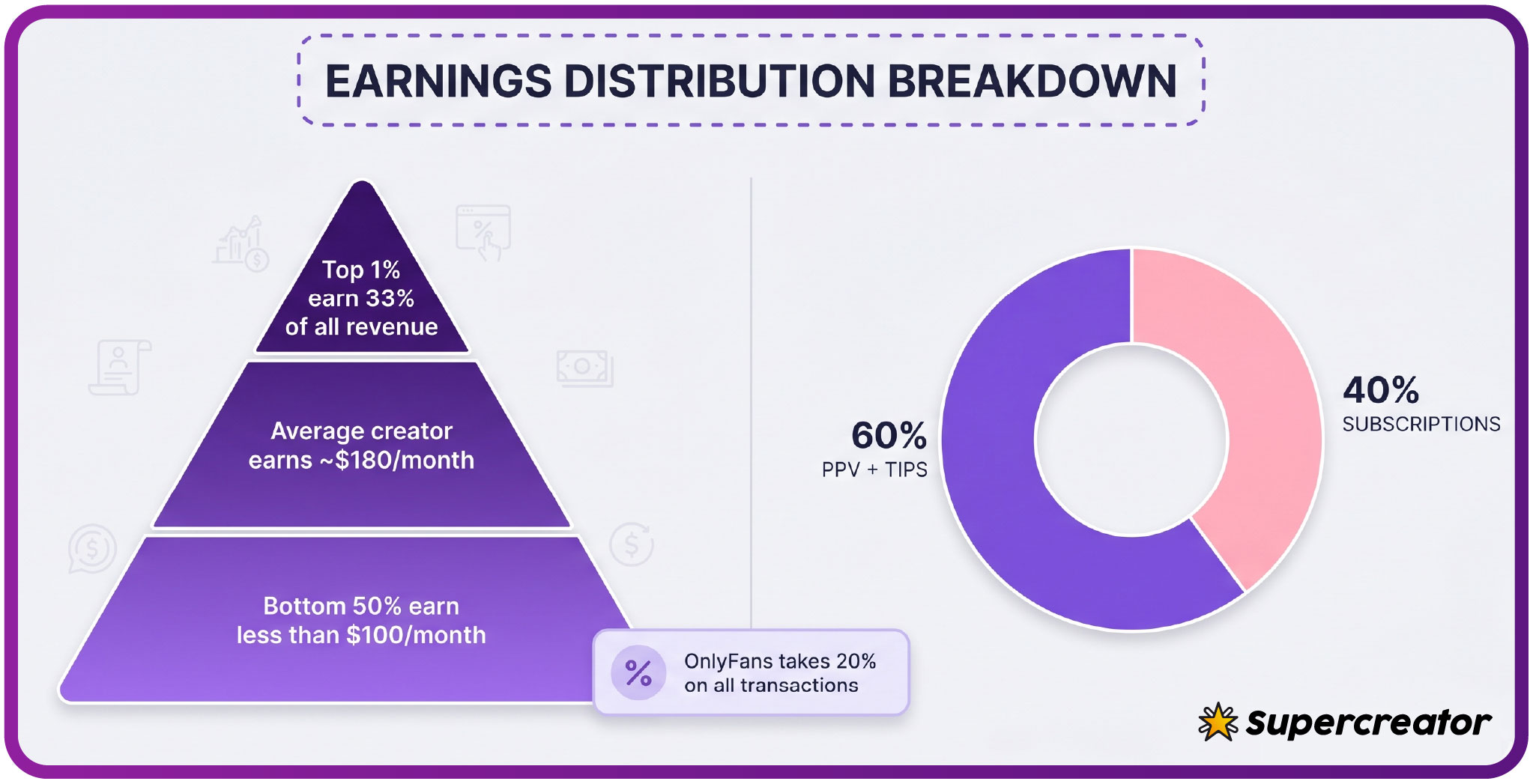
- Platform fee: 20% of every payment, with the creator keeping 80%.
Free pages work differently. A free page is simply a subscription priced at $0, and the creator earns through pay-per-view messages and tips instead of a monthly charge. Holds on free pages are rare because no recurring payment exists.
Statement reading TABLE
Statement labels vary by bank, so the same transaction can look different across institutions. The table below lists common labels and what each one usually indicates. It is a reference, not a guarantee, because processors change descriptor text without notice.
| Pending small amount | Temporary authorization used to verify the card |
| Recurring subscription | Settled monthly charge for an active paid page |
| One-time purchase | Pay-per-view message or tip, separate from the subscription |
| Reversed authorization | Hold released because no charge followed |
| Declined attempt | Renewal that did not complete; access may end |
Two entries with the same merchant name do not automatically mean double billing. One may still be pending while the other has settled. Checking the status column resolves the confusion in most cases.
Failed charge causes
A renewal can fail for reasons that have nothing to do with the account itself. Expired cards, bank blocks, and insufficient funds are the most common. Each produces a declined attempt rather than a hold.
Banks sometimes flag recurring charges from content platforms and require manual approval. The subscriber may see a notification in the banking app asking to confirm the payment. Until that confirmation happens, the renewal stays declined.
When a creator raises the subscription price, auto-renew stops. Existing access continues until the current paid period ends, and the subscriber must re-subscribe at the new price. This is a platform rule, not a billing error. A practical starting point is best only fans offer alerts, which lists pages by the signals above.
- Expired or replaced card details stored on the account.
- Insufficient funds at the moment the renewal attempt runs.
- Bank security blocks on recurring content charges.
- Address or verification mismatch after a card reissue.
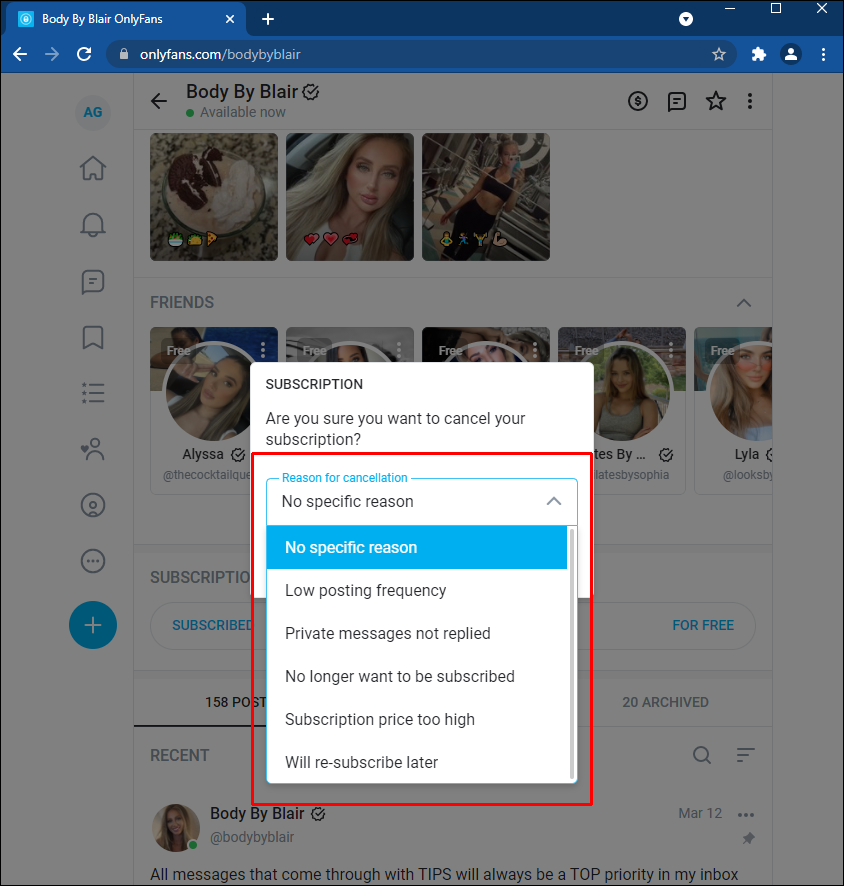
- Auto-renew switched off, either manually or after a price change.
A ranking service such as BestOnlyFans can help subscribers compare public profile prices, promotions, activity and media counts before committing. That comparison reduces the chance of a surprise renewal at a higher figure. It does not process payments and does not track individual billing data.
Timing of releases
Pending holds usually clear within a few business days, though the exact window depends on the bank. Weekends and holidays can extend the period because settlement does not run on those days. A hold that lasts longer than a full statement cycle is worth investigating.
The release happens automatically when the processor confirms no charge will follow. No action is required from the subscriber in a normal case. Calling the bank too early can slow the process rather than speed it up.
Failed charges follow a different timeline. The renewal attempt may be retried once or twice before the subscription lapses. Access typically ends when the paid period expires without a completed payment.
- Do not dispute a pending amount before it settles.
- Do not cancel the card to stop a single subscription.
- Do not assume a hold is a fee; it is returned.
- Do not ignore a declined renewal if access still matters.
- Do not re-subscribe repeatedly while a retry is in progress.
Dispute mistakes
A dispute is a formal claim that a charge was unauthorized or incorrect. Filing one on a legitimate subscription closes the account relationship and can lead to a ban. That outcome is avoidable when the charge matches an active subscription.
Another common mistake is disputing the whole statement instead of one entry. Banks may freeze the card while investigating, which blocks unrelated payments. Narrow, documented disputes resolve faster and with less disruption.
Finally, some subscribers dispute before contacting the platform at all. A quick check of the subscription list often shows the charge is correct and the dispute is unnecessary.
- Disputing a settled charge that matches a real subscription.
- Filing before checking renewal dates and prices in the account.
- Disputing multiple entries at once instead of one.
- Ignoring platform support, which can explain the charge directly.
There is no built-in discovery feed on the platform, which is why ranking sites exist in the first place. Those sites compare public profile details, and a service like BestOnlyFans keeps that comparison in one place. The link to best only fans offer alerts is useful for tracking promotions before a renewal date arrives.
Guidance on staying safe on OnlyFans covers privacy settings as well as payment hygiene.
Cleanup steps
Before contacting anyone, verify the basics inside the account. The subscription list shows which pages are active and what each one costs. The payment method section shows whether the stored card is still valid.
Next, compare those details with the statement. Match settled charges to active subscriptions and leave pending items alone. This separates real billing problems from normal authorization activity.
If a settled charge has no matching subscription, gather the date, amount, and descriptor text. Support can usually trace a charge with those three details. Banks ask for the same information when a dispute becomes necessary.
| Active subscription list | Confirms which pages should be charging the card |
| Payment method page | Shows expiry date and whether the card is still valid |
| Auto-renew status | Indicates whether a renewal is expected at all |
Keeping the account tidy also means removing subscriptions that are no longer wanted. Cancelling before the renewal date prevents the next charge entirely. A short monthly review is enough to stay ahead of both holds and failed payments.
BestOnlyFans refreshes its rankings every month.
FAQ
Is a pending card hold the same as a charge?
No. A hold reserves funds temporarily for verification and is released automatically, while a charge is settled and paid to the creator after the platform fee.
Why did my renewal charge fail?
Common causes include an expired card, insufficient funds, a bank security block, or auto-renew switching off after a price change.
Does a price increase cancel my subscription?
A price increase stops auto-renew. Existing access lasts until the current paid period ends, and re-subscribing happens at the new price.
How long do holds take to clear?
Most pending holds clear within a few business days, though weekends and bank processing rules can extend that window.