
OnlyFans has no public discovery feed, so judging a page means reading its activity signals directly. Follower totals are the number most visitors notice first, but they say little about what happened this week. A page can hold a large audience and still be dormant.
Activity is visible in small details: the gap between posts, the number of media items, how messages are answered. These signals are harder to fake than a headline number. This article explains which ones matter and how to read them.
Why follower counts mislead
A follower count is cumulative. It records everyone who ever subscribed or followed, not everyone still active on the page. Accounts that stop posting keep their totals, so a dormant page can look established. Size is a history metric, not a current one.
Paid subscription prices range from a $4.99 minimum to a $49.99 maximum, and typical paid pages sit between $4.99 and $15. Most averages land in the $5-$10 band. There is no base price below $4.99; only a promotional first month may dip under it.
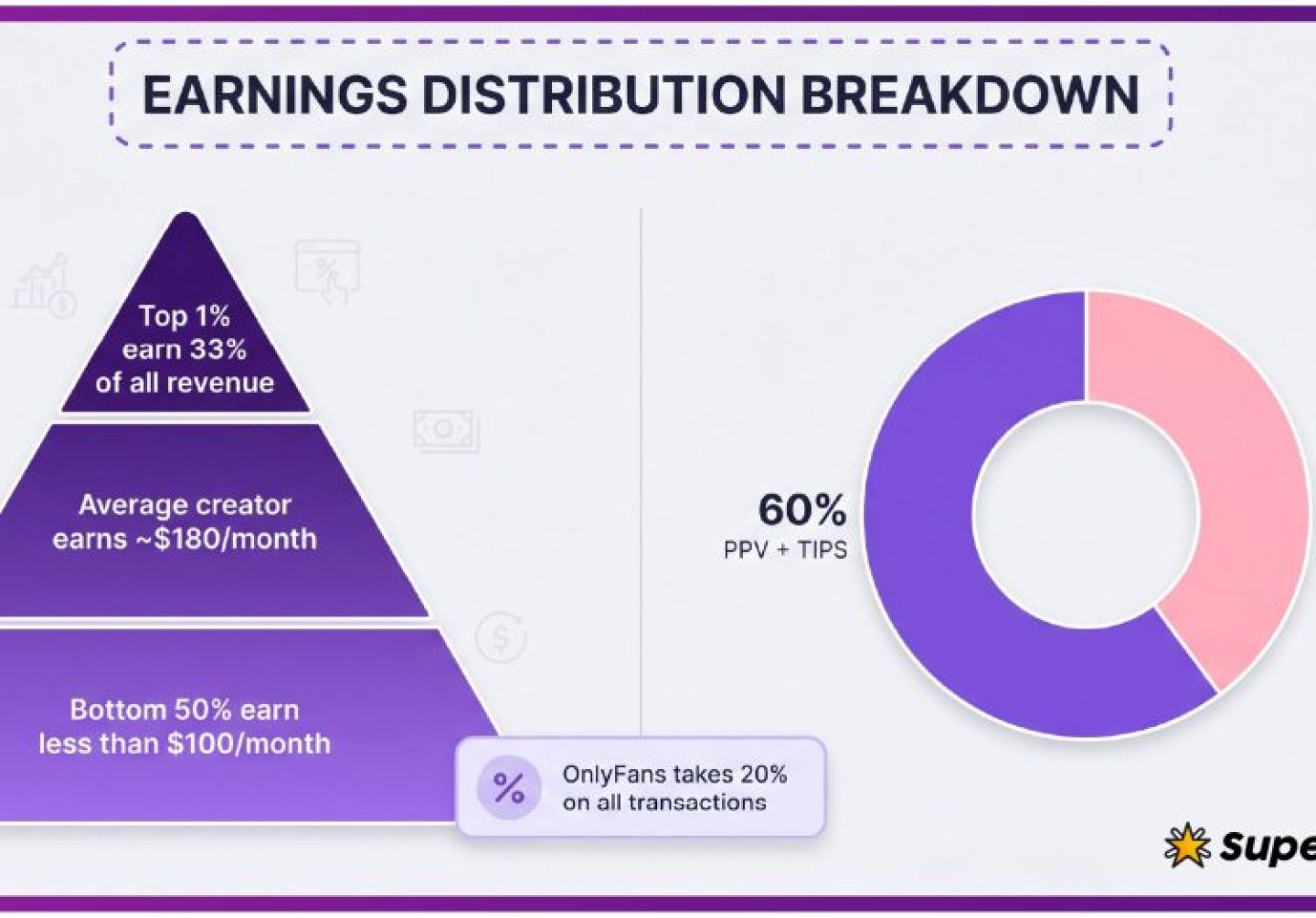
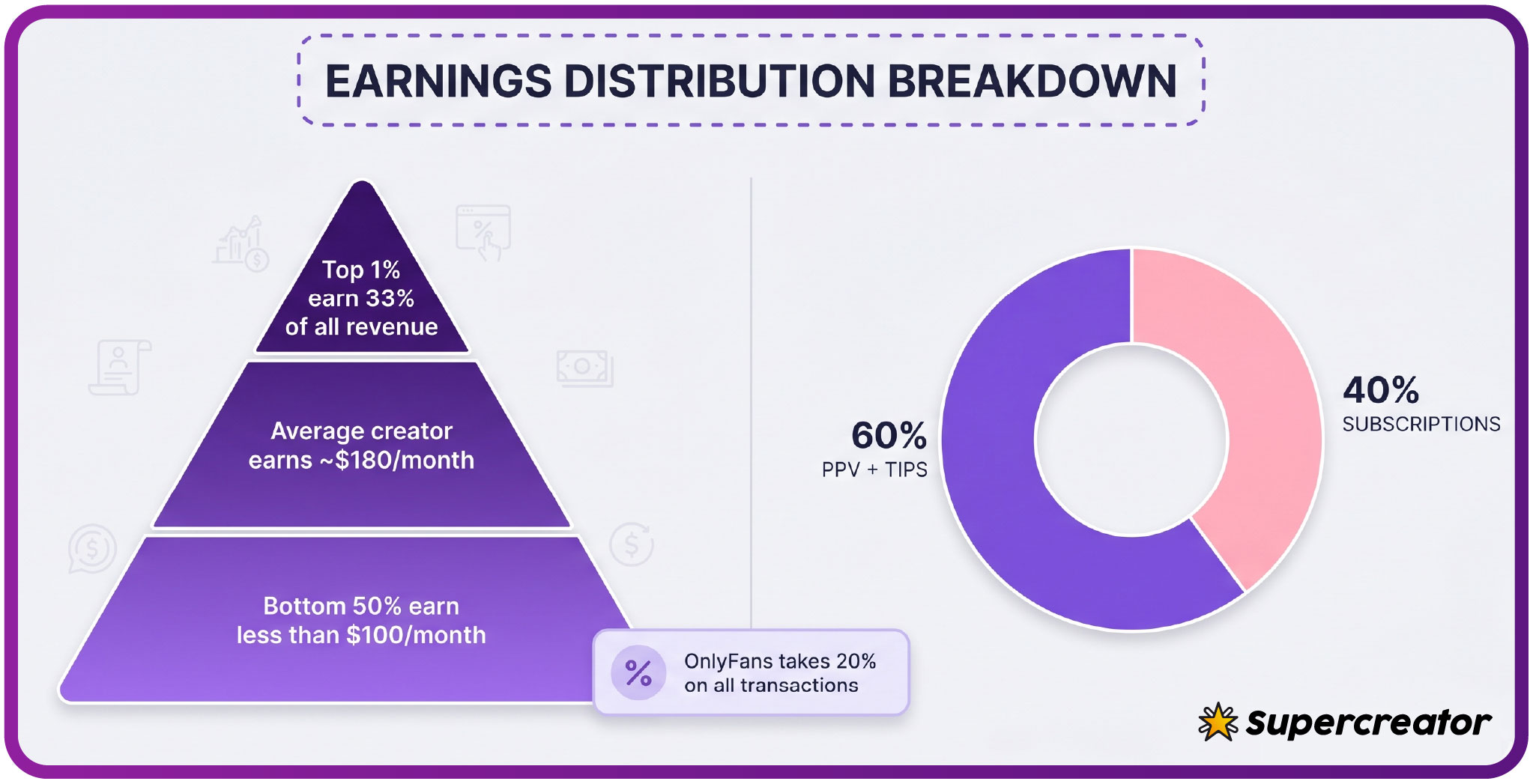
Free pages are simply price set to $0, and they earn through pay-per-view messages and tips instead of subscriptions. On every payment, the platform fee is 20%, so the creator keeps 80%. These economics shape how often a page posts and how it treats messages.
Reverse-image checks and username searches on other platforms take a minute and often reveal whether a page is actively managed. If the same handle posts daily elsewhere and nothing appears here, the page is likely idle. That contrast is more useful than the follower total.
- Subscription cost: $4.99 to $49.99, with most paid pages at $4.99-$15
- Promotional first month: the only way a price goes below $4.99
- Free pages: $0 subscription, income from pay-per-view and tips
- Platform fee: 20% of subscriptions, tips, and pay-per-view
- Creator share: the remaining 80%
Reading the posting rhythm
Open the profile and scan the dates on the most recent posts. The gap between them is the clearest activity signal available. A page posting every day for the past two weeks behaves differently from one with a three-week hole.
Regularity matters as much as frequency. Some creators post on set days, others in bursts followed by quiet spells. Either pattern can work, but an irregular one makes it harder to predict what a subscription buys. Write down the last six post dates before deciding.
A list of dates exposes things a quick glance misses. It shows whether the recent activity is genuine momentum or a single post after months of silence. It also shows whether the page slows down whenever a promotion ends.
- Note the date of the newest post
- Note the dates of the five posts before it
- Calculate the gap between each pair
- Compare the average gap with the account’s claimed schedule
- Check whether the newest post arrived after a long pause
Posting rhythm also interacts with price. When a creator raises the subscription price, auto-renew stops for existing subscribers, and access lasts until the current paid period ends. A price change combined with a posting pause is a reason to wait before subscribing.
Tip: before paying for any month, check the newest post date first. If the most recent post is older than the subscription period you are buying, you are paying for a page that may not publish during your access window.

Media counts and what they tell you
Photo and video totals only mean something against account age. Two hundred items on a two-year-old page suggests slow output. The same count on a two-month-old page suggests steady work. Always read the numbers together.
Look at the type of media too. A healthy page mixes photos, short clips, and longer posts rather than repeating one format. Variety usually means the creator is still investing effort, not recycling an old backlog.
| Page age | Low activity | Typical activity | High activity |
|---|---|---|---|
| Under 3 months | Fewer than 30 items | 30-90 items | More than 90 items |
| 3-12 months | Fewer than 80 items | 80-250 items | More than 250 items |
| 1-3 years | Fewer than 200 items | 200-600 items | More than 600 items |
| Over 3 years | Fewer than 400 items | 400-1,200 items | More than 1,200 items |
These are rough bands, not rules. A page can post rarely and still deliver value through messages, and a page can post often with little variety. Use the table to spot outliers, then confirm with the posting dates.
Message and reply behaviour
Messages reveal how a page is run. A reply that arrives within a day, references something specific, and continues the conversation suggests a person is present. A greeting that repeats word for word suggests automation.
Automated greetings are not automatically a bad sign. Many pages use them to handle volume and then reply personally afterward. The signal to watch is whether a human response follows within a reasonable window. For a starting point, best onlyfans management agency collects free pages.
Response patterns also hint at team size. Pages run by a group often reply at all hours, switch tone between messages, or answer in a style that does not match the profile’s public voice. None of this is dishonest, but it changes what you can expect.
- Replies arrive at consistent hours across the whole day
- Two messages in the same thread read in different tones
- Answers repeat identical phrasing across separate chats
- Questions about the creator’s own posts go unanswered
- Messages arrive immediately after a mass pay-per-view send
If you want a benchmark for how professional pages manage this, the best onlyfans management agency write-ups describe the staffing and scheduling that sit behind fast replies. That context helps you tell a well-run page from an abandoned one.
Spotting a page that has gone quiet
Quiet pages usually leave the same traces. A pinned post from months ago stays at the top, no new media appears below it, and the welcome text still references an event that has passed. Each clue is small; together they are clear.
Profile details age faster than people expect. A bio that promises weekly posts while the newest item is six weeks old is out of date. Broken links or an unlisted social handle are further signs that nobody is checking.
| Signal | Mild | Moderate | Severe |
|---|---|---|---|
| Newest post | Within 7 days | 8-30 days | Over 30 days |
| Pinned post age | Under 1 month | 1-3 months | Over 3 months |
| Welcome message | Current | Slightly dated | References past events |
| Reply speed | Same day | 2-5 days | No reply |
| Price changes | None recent | One recent change | Change plus silence |
Combining signals matters more than any single one. A page with one severe signal may still be worth following; a page with three is unlikely to publish during your subscription. Treat the table as a way to weigh evidence.
Deciding whether to follow
A short method works better than a gut feeling. Check the newest post date, the media count against account age, and whether a message gets a reply. Three checks take a few minutes and settle most decisions.
Ranking sites exist precisely because the platform offers no built-in discovery feed or directory. That absence means every judgement falls on signals you can observe yourself, which is why a consistent method beats browsing at random.
Free pages change the calculation slightly. A $0 subscription costs nothing to follow, but your attention still has a price, and a quiet free page still fills your list with nothing new. Judge free and paid pages by the same activity standards.
- Skip any page whose newest post is over 30 days old
- Skip pages where media count trails the band for their age
- Skip pages that ignore two consecutive messages
- Skip pages with stale welcome text and no recent price update
- Skip pages whose pinned post is older than three months
Rechecking pages you already follow
Follows accumulate quietly. A page that was busy last year may have stopped posting, and nothing in the interface tells you. A short review every few months keeps your list honest.
During a review, sort your follows by newest post date and check the bottom of the list first. Those are the pages most likely to be dormant. Unfollowing costs nothing and reduces the noise in your feed.
BestOnlyFans appears in subscriber guides as a reference point for how activity is measured, and BestOnlyFans comparisons usually emphasise the same signals covered here. Keep the review simple: dates, media, replies.
- Judging a page by follower total alone
- Assuming a large archive means recent posts
- Ignoring the gap between the last two posts
- Treating an automated greeting as a real reply
- Keeping dormant follows for sentimental reasons
- Subscribing right before a price change without checking dates
BestOnlyFans is not a directory, and no third party can see private activity on your behalf. Every check described here uses information visible on the profile itself, which is why the method stays reliable.
FAQ
Is a large follower count a good sign?
Not on its own. Totals are cumulative and stay high even after posting stops, so recent post dates matter more.
How often should a page post to count as active?
There is no fixed rule. A page posting at least weekly for the past month is generally easier to judge than one with irregular gaps.
Do free pages need the same checks?
Yes. A $0 subscription costs nothing, but a quiet free page still occupies space in your list and offers nothing new.
What happens if a creator raises the price?
Auto-renew stops, and existing access continues until the current paid period ends, so a price change plus silence is worth noting.